
Solo travel safety is one of the biggest concerns for anyone planning their first trip alone. The good news is that traveling solo is safer than most people think. In fact, millions of people travel the world alone every year without any serious incidents. The key is preparation, awareness, and knowing what to do before something goes wrong, not after.
This guide covers practical, real-world solo travel safety tips that actually work. Whether you are heading to Europe, the Middle East, Asia, or anywhere else, these tips apply to every destination and every type of traveler.
Before You Leave: Preparation is Your Best Safety Tool
Good solo travel safety starts at home, long before you board your flight. Therefore, the more you prepare before you leave, the more confident and secure you will feel once you arrive.
Research Your Destination Thoroughly
Every destination has its own specific risks and cultural norms. Consequently, what is considered safe in one country may not apply in another. Before you travel, research the following:
- Check your government’s official travel advisory for your destination. For example, the US State Department, UK Foreign Office, and Australian DFAT all publish up-to-date safety ratings for every country.
- Read recent traveler reviews on forums like TripAdvisor, Reddit’s r/solotravel, and travel Facebook groups. These give you real, on-the-ground perspectives that official advisories sometimes miss.
- Learn about local scams targeting tourists. Furthermore, knowing common scams in advance makes you far less likely to fall for them.
- Understand local laws and cultural expectations around dress, behavior, and photography. In some countries, violations of these norms can create uncomfortable or even dangerous situations.
Share Your Itinerary With Someone You Trust
Always leave a copy of your travel plans with a trusted friend or family member before you depart. This should include your flight details, accommodation names and addresses, and a rough day-by-day itinerary. Moreover, check in with them regularly throughout your trip so someone always knows where you are.
Use a free app like Google Maps location sharing or Life360 to share your real-time location with a trusted contact. This adds an extra layer of solo travel safety without any effort on your part.
Get Travel Insurance, Non-Negotiable
Travel insurance is the single most important solo travel safety decision you will make. Without it, a medical emergency abroad can cost tens of thousands of dollars. With it, you are covered for medical treatment, emergency evacuation, trip cancellation, and lost luggage.
We recommend SafetyWing for budget travelers. It is flexible, affordable, and designed specifically for independent travelers. You can also compare multiple plans on InsureMyTrip to find the right coverage for your destination and budget.
Make Copies of Your Important Documents
Before you travel, make physical and digital copies of the following documents:
- Passport (photo page)
- Visa (if applicable)
- Travel insurance policy and emergency number
- Credit and debit cards (front and back)
- Emergency contacts list
Store one physical copy in your luggage, separate from the originals. Additionally, store digital copies in a secure cloud service like Google Drive or Dropbox so you can access them from any device if your bag is lost or stolen.
Staying Safe on Arrival
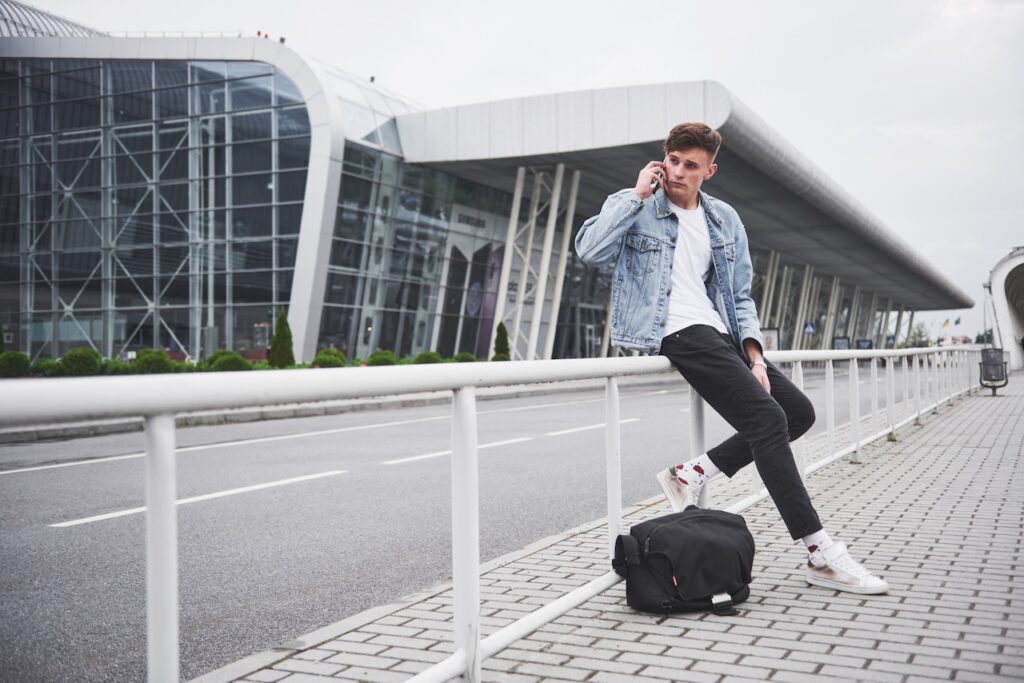
The first few hours in a new destination are when solo travel safety awareness matters most. You are tired from your journey, unfamiliar with the area, and potentially carrying all of your belongings. Therefore, the following habits will protect you during the most vulnerable part of your trip.
Arrive During Daylight Hours When Possible
Whenever you can, book flights and connections that arrive during the day. Navigating an unfamiliar city at night is significantly more challenging and risky than arriving in daylight. Furthermore, daytime arrivals give you time to find your accommodation, get your bearings, and identify your nearest transport options before dark.
Use Official and Pre-Booked Transport
One of the most important solo travel safety rules is to never use unlicensed taxis. Instead, use these safer alternatives:
- Uber or local rideshare apps where available. These are trackable, cashless, and have driver accountability.
- Pre-booked airport transfers arranged through your accommodation or a reputable service. Your hotel or hostel can often arrange this for you in advance.
- Official metered taxis from designated taxi ranks inside the airport. Always insist on the meter running.
- Public transport where it is reliable and well-mapped. Download Google Maps offline for your destination before you land so you can navigate without mobile data.
Book Your First Night in Advance
Never arrive in a new country without at least your first night’s accommodation booked. Arriving tired and unsure of where to sleep puts you in a vulnerable position. Additionally, having a confirmed address means you can share your location immediately with your emergency contact.
Book accommodation on Booking.com or Hostelworld before you arrive. Both platforms show verified reviews so you can check the safety and location of your accommodation in advance.
Day-to-Day Solo Travel Safety Habits
Once you are settled, solo travel safety becomes about building consistent daily habits. These are simple, practical behaviors that experienced solo travelers follow automatically.
Stay Aware of Your Surroundings
Situational awareness is your most powerful safety tool. This means keeping your head up in crowded areas, noticing who is around you, and trusting your instincts. Moreover, if a situation feels wrong, leave it. Your gut is usually right.
Specifically, be alert in the following situations:
- Busy markets and tourist attractions, where pickpockets are most active
- Public transport, especially during peak hours
- ATM machines, always use ATMs inside banks or shopping malls rather than street machines
- Anywhere someone approaches you with an unsolicited offer or story
Protect Your Valuables
Good solo travel safety means making yourself a less attractive target. Therefore, follow these habits consistently:
- Use a money belt or hidden pouch worn under your clothing for your passport, extra cash, and backup card
- Carry only what you need for the day in your bag, leave your main passport and extra cash locked in your accommodation
- Use a padlock on your bag zippers in crowded areas and on your accommodation locker
- Never put your phone on a restaurant table or leave it visible in your bag’s front pocket
- Carry a small amount of decoy cash in an accessible pocket, if you are ever robbed, hand this over immediately without resistance
Use a VPN on Public Wi-Fi
Public Wi-Fi in cafés, hotels, and airports is a common target for data theft. Consequently, always use a VPN when connecting to public networks. ExpressVPN and NordVPN are both reliable, affordable options that protect your banking, email, and personal data on the road.
Keep Your Phone Charged
Your phone is your map, your translator, your emergency contact, and your booking platform. Therefore, keeping it charged is a non-negotiable solo travel safety habit. Carry a portable power bank at all times. Furthermore, download offline maps for your destination on Google Maps so you can navigate even without a data connection.
Accommodation Safety
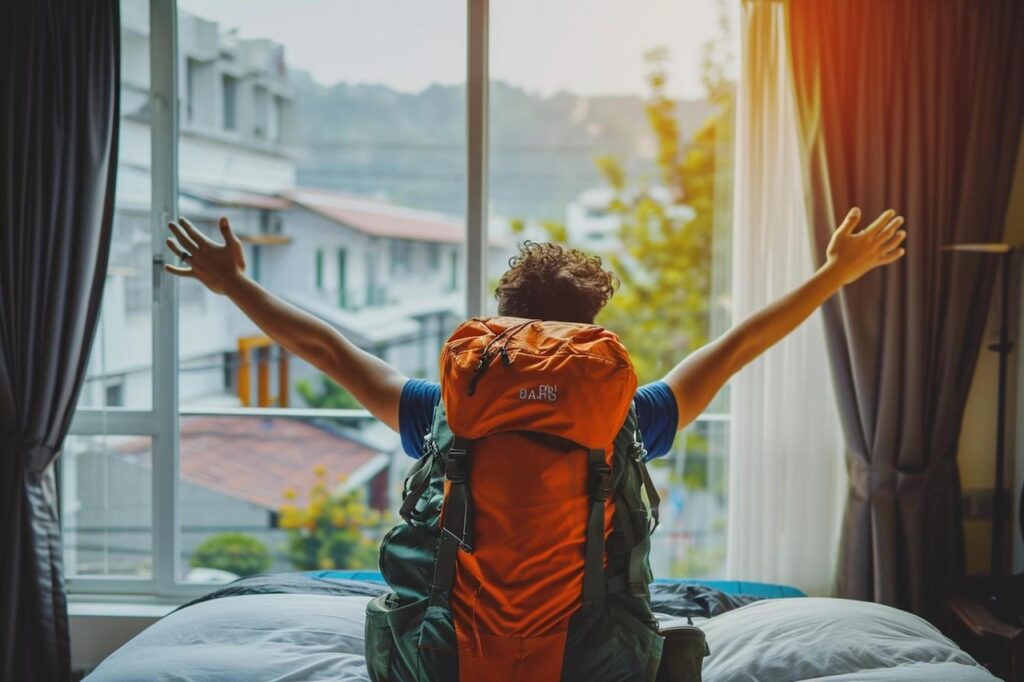
Where you sleep has a major impact on your overall solo travel safety. However, staying safe at your accommodation is largely about choosing wisely and following a few simple habits.
Choosing Safe Accommodation
- Read recent reviews on Booking.com specifically for safety comments and neighborhood notes
- Choose accommodation in well-lit, central areas rather than isolated or poorly reviewed neighborhoods
- For hostels, look for those with 24-hour reception, lockers, and good lighting. Hostelworld lets you filter by safety ratings
- For apartments, verify the host has strong reviews and a confirmed ID on Airbnb
Safety Habits Inside Your Accommodation
- Always lock your door and use the chain or deadbolt, not just the standard lock
- Use the in-room safe or front desk safe for your passport and valuables
- Do not open your door to unexpected visitors; call reception to verify before opening
- Note the location of emergency exits on your first night
Digital Safety for Solo Travelers
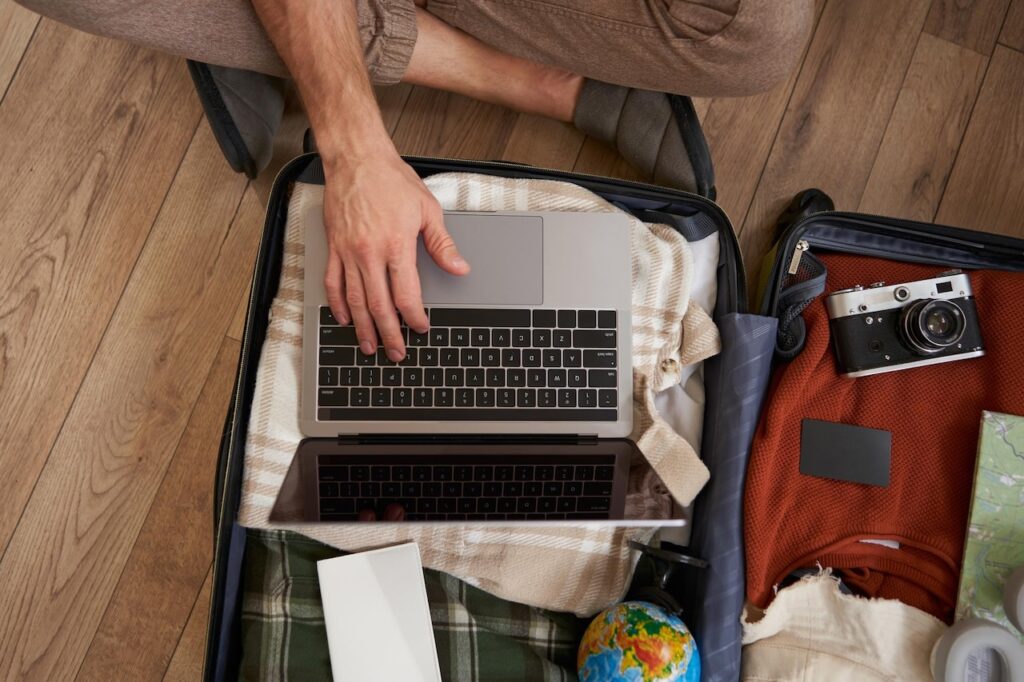
Solo travel safety in 2026 also means protecting yourself online. Consequently, your digital security matters as much as your physical security.
- Use strong, unique passwords on all travel-related accounts and enable two-factor authentication
- Avoid posting your real-time location on social media while you are traveling. Instead, post updates after you have left a location
- Be cautious about who you share your accommodation details with; new acquaintances do not need to know exactly where you are staying
- Use Wise or Revolut for travel banking; both have instant card freeze features if your card is lost or stolen
Essential Safety Apps for Solo Travelers
The right apps make solo travel safety significantly easier to manage. Therefore, download these before you leave home:
- Google Maps — offline navigation, no data needed
- Google Translate — communicates in emergencies when language is a barrier
- Uber or local rideshare app — trackable, safe transport
- Life360 — real-time location sharing with trusted contacts
- ExpressVPN — protects your data on public Wi-Fi
- SafetyWing — travel insurance with a simple app interface
- International SOS — emergency assistance and medical referrals worldwide
What to Do in an Emergency
Even with the best solo travel safety habits, emergencies can happen. Therefore, knowing what to do before a crisis occurs is essential.
Medical Emergency
- Call the local emergency number immediately. Research this before you arrive, as it varies by country.
- Contact your travel insurance provider. Furthermore, keep their emergency number saved in your phone before you leave home.
- Notify your trusted contact back home.
Lost or Stolen Passport
- Report the theft to local police immediately and get a written police report.
- Contact your country’s nearest embassy or consulate. Moreover, keep their contact details saved in your phone and in your cloud storage.
- Use your digital copies of your passport to speed up the replacement process.
Lost or Stolen Cards
- Freeze or cancel your card immediately using your banking app.
- Use your backup card. Additionally, this is why carrying cards from two different banks is strongly recommended.
- Contact family to arrange an emergency transfer if needed via Wise or Western Union.
Solo Travel Safety for Women
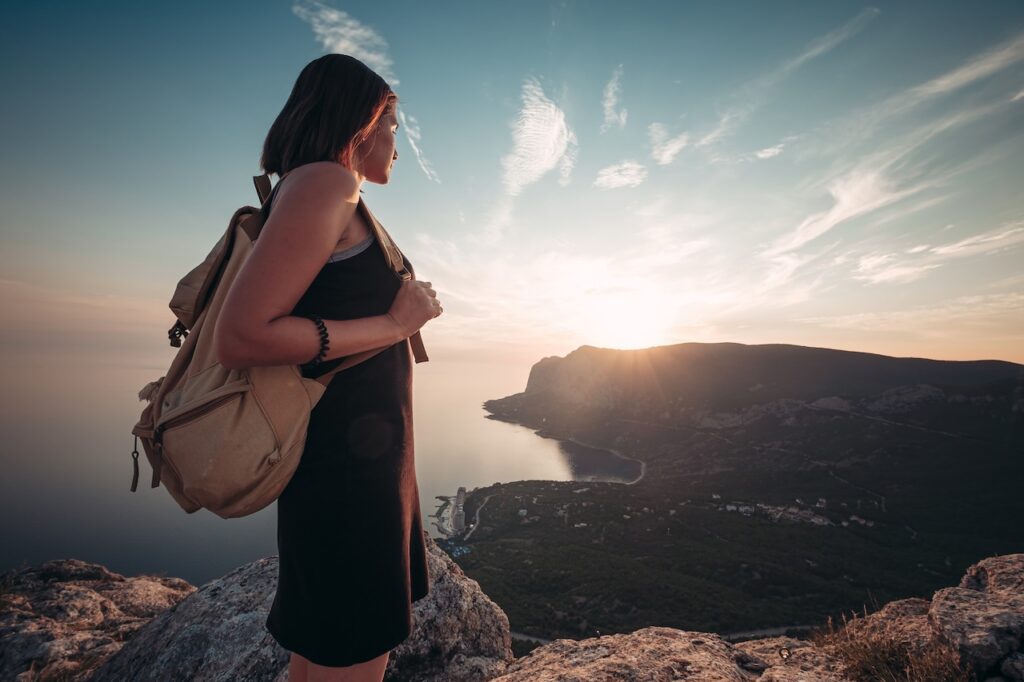
While these tips apply to all solo travelers, women traveling alone face some additional considerations. However, solo female travel is absolutely safe with the right preparation and awareness.
- Research dress norms for your destination in advance. In some countries, particularly in the Middle East and North Africa, dressing modestly significantly reduces unwanted attention.
- Trust your instincts entirely. If a person or situation makes you uncomfortable, remove yourself immediately without explanation or apology.
- Choose female-friendly accommodation; many hostels offer female-only dorms, and platforms like Hostelworld allow you to filter for these specifically.
- Join solo female travel communities before your trip. Groups like Girls LOVE Travel on Facebook and the Solo Female Traveler Network provide destination-specific advice, safety tips, and connections with other women traveling the same routes.
- Have a confident, purposeful walk when moving through public spaces. Appearing uncertain or lost makes you more visible as a target.
The Truth About Solo Travel Safety
Solo travel is one of the most rewarding experiences you can have. Moreover, it is far safer than the news and social media often make it appear. The vast majority of solo trips go smoothly because the vast majority of people in the world are kind, helpful, and welcoming to travelers.
The goal of solo travel safety is not to travel in fear. Instead, it is to travel with confidence, knowing you have done the preparation, built the right habits, and have the tools to handle whatever comes your way.
Start with a destination that feels manageable, build your confidence trip by trip, and you will quickly find that solo travel is not something to be afraid of. In fact, it is something to look forward to.
Ready to Travel Solo?
Now that you have the tools for solo travel safety, it is time to start planning your trip.
Useful links to bookmark:
- Travel insurance: SafetyWing | InsureMyTrip
- Safe accommodation: Booking.com | Hostelworld
- Safe transport: Uber
- Travel banking: Wise | Revolut
- VPN protection: ExpressVPN | NordVPN
- Location sharing: Life360
More travel guides you will find helpful: