



If you are based outside Europe and looking for the best budget digital nomad cities to work remotely from in 2026, this guide is written specifically for you. Whether you are in the United States, Canada, Africa, the Middle East, or Australia, you are in the right place. In fact, more non-European remote workers than ever are making the move to European cities. The good news is that your dollar, dirham, or Australian dollar goes incredibly far in the right budget digital nomad cities.
This guide to the top budget digital nomad cities in Europe breaks down exactly what you need to know as someone arriving from outside the continent, monthly costs, coworking options, internet speeds, nomad visa availability, and the honest pros and cons of each city. Whether you are just starting out or looking for your next base, these are the cities where your money goes furthest in 2026. Moreover, every city on this list offers an official digital nomad visa.
What Makes a Good Budget City for Digital Nomads in Europe?
As someone coming from outside Europe, choosing the right city matters more than you think. Here are the six criteria we used to build this list:
- Monthly cost of living: Total budget under $1,500/month. This includes rent, food, transport, and coworking. So, if a city does not meet this threshold, it is not on the list.
- Internet reliability: Minimum 25 Mbps. This covers video calls, uploads, and all daily remote work needs. Therefore, slow internet is a dealbreaker.
- Coworking availability: At least a handful of quality spaces. Both day pass and monthly options should be available. Otherwise, flexibility is limited.
- Nomad community: An active expat and remote worker scene. This matters a lot for networking and social life when you are far from home.
- Visa accessibility: Every city on this list offers an official digital nomad visa or permit for non-EU citizens. This is non-negotiable for longer stays. In other words, every city on this list is legal to work from long-term.
- Quality of life: Safety, culture, food, and overall liveability. Furthermore, each city should feel like a place you actually want to live, not just visit.
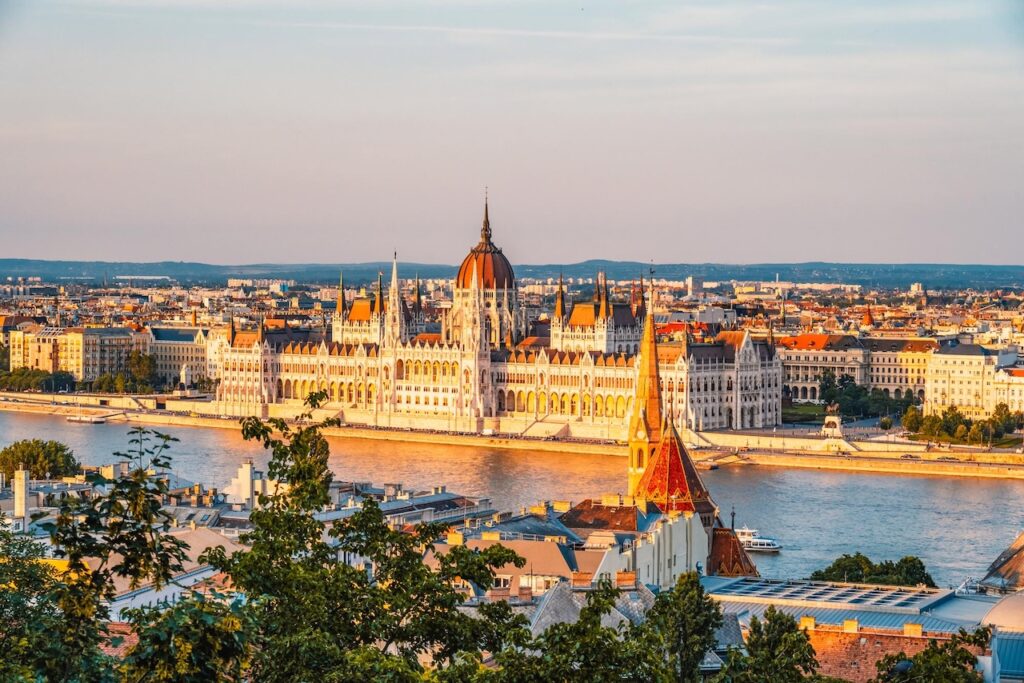
1. Budapest, Hungary, Best Overall Budget Digital Nomad City
Budapest consistently ranks as one of the top budget digital nomad cities in Europe. In 2026, it continues to deliver excellent value for non-European remote workers. In fact, it is one of the top-ranked cities for remote workers worldwide. Hungary ranks in the top 10 globally for internet speeds. Therefore, it is a highly reliable base for remote work. Furthermore, the digital nomad visa makes it one of the easiest EU cities to stay in long-term.
Monthly budget breakdown:
- Accommodation (1-bed apartment): €400–€600/month
- Food and dining: €300–€500/month
- Coworking space: €150–€250/month
- Transport (monthly pass): €30–€50/month
- Total: approximately €900–$1,400/month
Internet: Excellent. Hungary ranks in the global top 10 for speed and reliability. Therefore, connectivity is never a concern here. As a result, cafés, coworking spaces, and apartments all offer fast connections.
Coworking spaces: Loffice, Impact Hub Budapest, Kaptár, and dozens of laptop-friendly cafés throughout the city.
Nomad visa: Hungary offers a digital nomad visa allowing stays of up to one year with an option to extend. Apply through the Hungarian Consular Service website.
Best for: In summary, Budapest is ideal for nomads who want a capital city lifestyle without the capital city price tag. Search for accommodation on Booking.com Budapest or Airbnb Budapest. Budapest offers thermal baths, ruin bars, and stunning architecture. Moreover, it has a strong expat community at a fraction of the cost of cities like Vienna or Amsterdam.
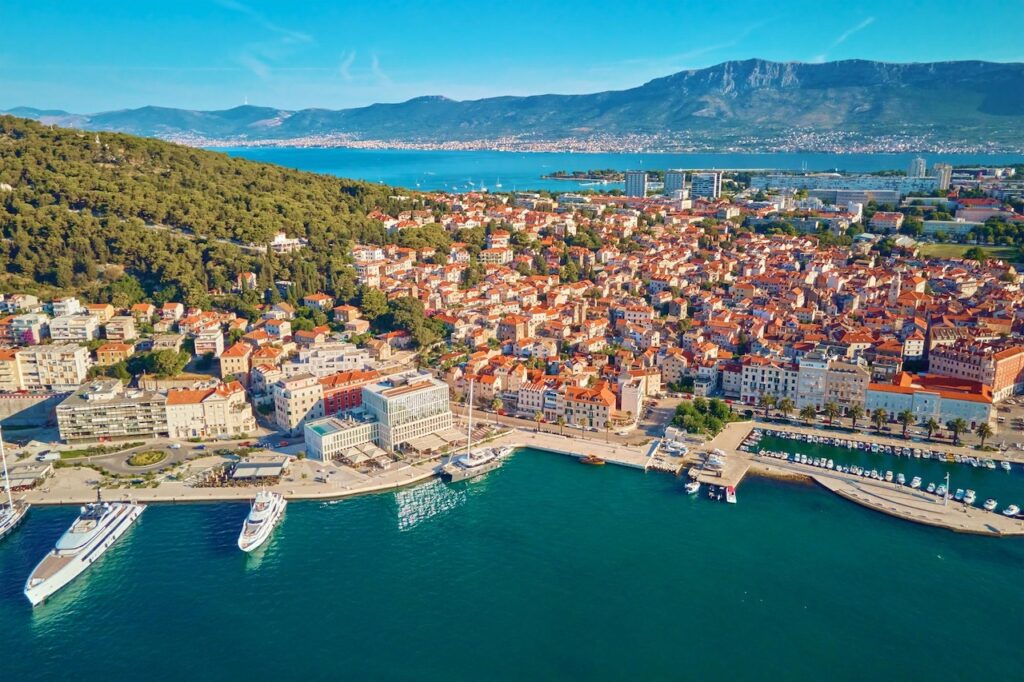
2. Split, Croatia, Best for Adriatic Lifestyle with a Nomad Visa
Split is one of the most exciting budget digital nomad cities in Europe for non-EU citizens in 2026. In fact, Croatia offers one of the lowest income requirements for a digital nomad visa in the entire EU. Therefore, it is highly accessible for remote workers from the US, Canada, UAE, and Australia. Additionally, Split combines Roman architecture, Adriatic beaches, and a growing nomad community. Moreover, all of this comes at a very manageable monthly cost.
Monthly budget breakdown: Below is what you can expect to spend per month in Split:
- Accommodation (1-bed apartment): $650–$950/month
- Food and dining: $250–$400/month
- Coworking space: $150–$200/month
- Transport (monthly pass): $40–$60/month
- Total: approximately $1,000–$1,500/month
Internet: Fast and reliable throughout the city. Moreover, high-speed internet is widely available in coworking spaces, cafés, and most rental apartments.
Coworking spaces: Split’s coworking scene is growing fast. Moreover, most spaces offer flexible day pass options. Coworker Split lists several solid options including Base Split and Smart Coworking, all with fast internet and day pass options.
Digital nomad visa: Importantly, Croatia’s Digital Nomad Temporary Residence Permit is designed specifically for non-EU citizens. Requirements include a minimum monthly income of €2,540, proof of remote work outside Croatia, and health insurance. In addition, a clean criminal record is required. Furthermore, the permit is valid for up to 18 months and comes with full income tax exemption on foreign earnings. Apply through your nearest Croatian consulate or embassy.
Best for: In summary, Split is perfect for nomads who want EU residency, Adriatic lifestyle, and zero local income tax on foreign earnings, and one of the most affordable nomad visas in Europe. Search for accommodation on Booking.com Split or Airbnb Split.

3. Lisbon, Portugal, Best for Atlantic Lifestyle
Lisbon has been on the radar of budget digital nomad cities for years. Furthermore, in 2026 it remains one of the most popular bases in Europe for non-European remote workers. Lisbon’s cost of living is cheaper than 63% of cities in Western Europe. Moreover, the city enjoys 300 days of sunshine a year and a welcoming international community.
Monthly budget breakdown: Below is what you can expect to spend per month in Lisbon:
- Accommodation (studio/1-bed): $1,000–$1,400/month
- Food and dining: $300–$500/month
- Coworking space: $150–$300/month
- Transport (monthly pass): $40–$50/month
- Total: approximately $1,400–$2,000/month
Internet: Fast and reliable. Moreover, Portugal has a strong broadband infrastructure. Therefore, most coworking spaces and cafés offer solid connectivity.
Coworking spaces: Lisbon has one of the best coworking scenes in Europe. Moreover, the nomad community here is one of the most welcoming on the continent. Second Home, LACS, Heden, and dozens more. Furthermore, regular nomad meetups make networking easy.
Nomad visa: Portugal’s Digital Nomad Visa costs approximately €180, one of the cheapest in Europe, and allows stays of up to one year. Book through Portugal’s official visa portal.
Best for: In summary, Lisbon suits nomads who want a Western European lifestyle at a more manageable price point. Search accommodation on Booking.com Lisbon or Airbnb Lisbon., with beaches, great food, and easy English communication.
Note: However, Lisbon is the priciest city on this list. Therefore, if budget is your primary concern, consider Porto, Portugal’s second city, which offers a similar quality of life at 20–30% lower cost.

4. Athens, Greece, Best for Mediterranean Budget Living
Athens is one of the most underrated budget digital nomad cities in Europe for non-EU citizens. Notably, Greece launched its Digital Nomad Visa in 2021. In 2026, it remains one of the most attractive visa options on the continent. In fact, it offers one of the longest visa durations in Europe. The city offers a low cost of living, 300 days of sunshine, and ancient history. Moreover, island access from the capital is incredibly easy. Additionally, island access from the capital is incredibly easy. Athens is significantly more affordable than most Western European capitals, while still offering world-class infrastructure.
Monthly budget breakdown: Below is what you can expect to spend per month in Athens:
- Accommodation (1-bed apartment): $600–$900/month
- Food and dining: $300–$500/month
- Coworking space: $150–$250/month
- Transport (monthly pass): $30–$50/month
- Total: approximately $1,000–$1,600/month
Internet: Fast and reliable throughout central Athens. Moreover, average speeds of 40–60 Mbps are standard in apartments and coworking spaces.
Coworking spaces: Athens has a growing coworking scene. Furthermore, new spaces are opening regularly as the nomad community expands. Coworker Athens lists options including Workways, Impact Hub Athens, and Stone Soup, all with reliable connections and networking events.
Digital nomad visa: Notably, Greece’s Digital Nomad Visa is valid for 2 years. Moreover, it is renewable for an additional 2 years. Therefore, it is one of the longest-duration nomad visas in Europe. Requirements include a minimum monthly net income of €3,500 and proof of remote employment outside Greece. In addition, health insurance is required. Tax incentive: Additionally, Greece offers a 50% income tax discount for the first 7 years for qualifying digital nomads. Apply through your nearest Greek embassy or consulate.
Best for: In summary, Athens is ideal for nomads who want a long-stay EU base with sunshine, history, and islands, and a generous tax incentive. Search for accommodation on Booking.com Athens or Airbnb Athens.
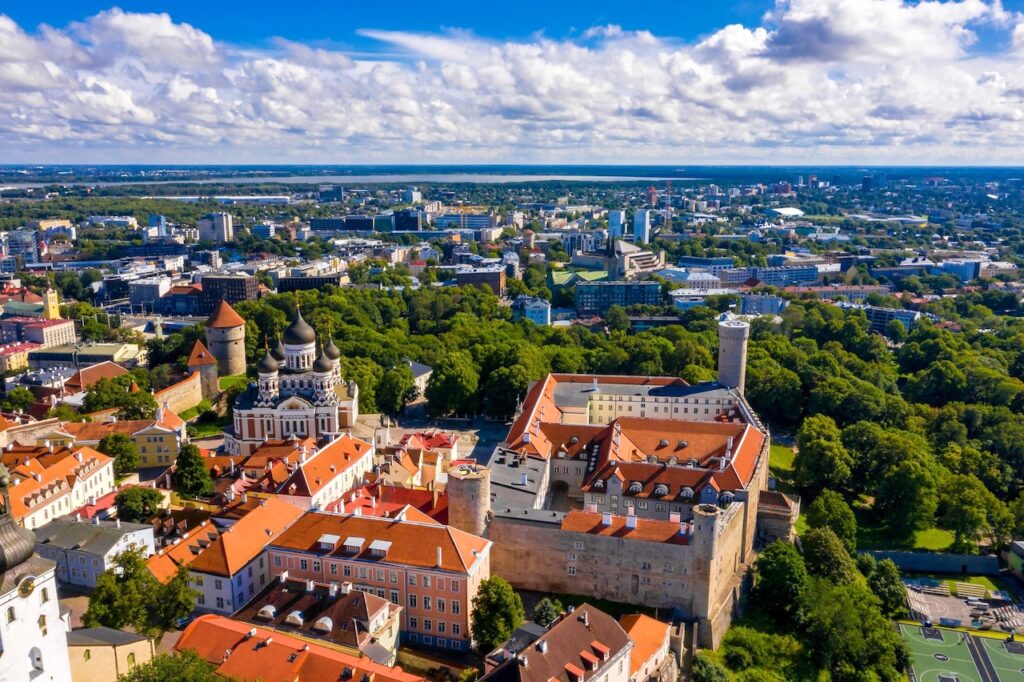
5. Tallinn, Estonia, Best for Tech-Forward Nomads
Estonia became the first country in the world to launch an official digital nomad visa program. Because of this, Tallinn remains one of the most forward-thinking cities for remote workers in Europe. Moreover, its fairytale Old Town and modern tech infrastructure make it uniquely appealing. Furthermore, Estonia’s e-residency program is ideal for freelancers and entrepreneurs from outside Europe.
Monthly budget breakdown: Below is what you can expect to spend per month in Tallinn:
- Accommodation (1-bed apartment): €500–€800/month
- Food and dining: €300–€500/month
- Coworking space: €150–€250/month
- Transport (monthly pass): €30–€50/month
- Total: approximately €1,000–$1,500/month
Internet: Excellent. In fact, Estonia consistently ranks among the world’s best for digital infrastructure. Consequently, high-speed internet is the norm throughout the city.
Coworking spaces: Tallinn has world-class coworking options. Coworker Tellin and numerous independent coworking hubs in the city centre.
Nomad visa: Estonia’s Digital Nomad Visa allows stays of up to one year. Apply through Estonia’s official visa portal.
Best for: In summary, Tallinn suits tech professionals, freelancers, and entrepreneurs. Search for accommodation on Booking.com Tallinn or Airbnb Tallinn. who want a modern, digital-first city with EU stability and a strong startup ecosystem.
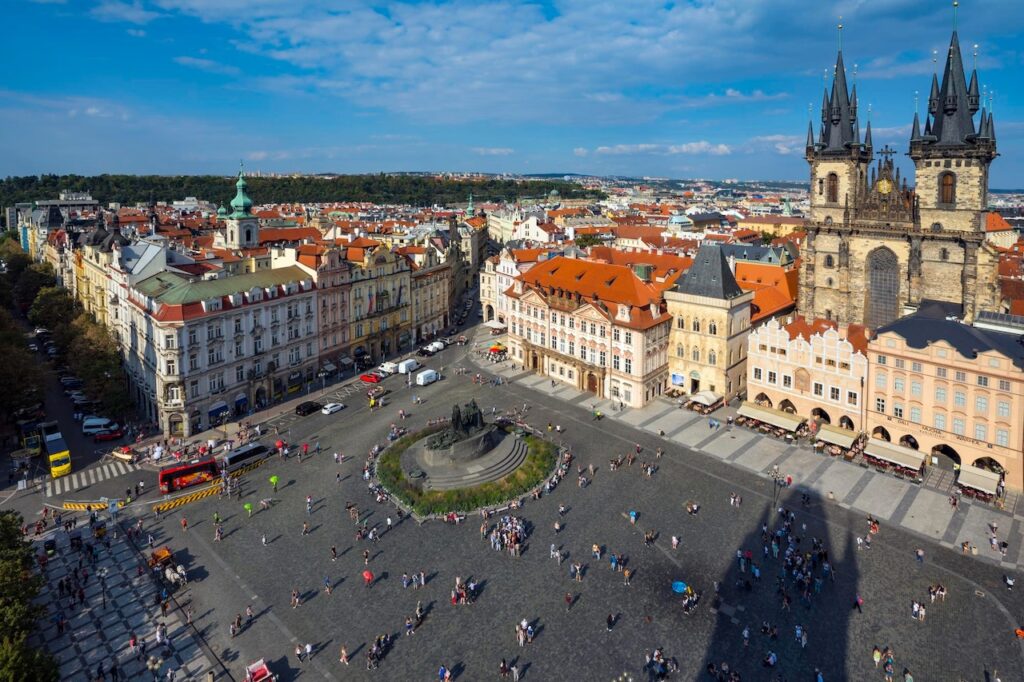
6. Prague, Czech Republic, Best for Ultra-Affordable Nomad Visa
Prague is home to one of the most affordable digital nomad visa programs in the EU. In fact, it has the lowest income threshold of any EU country offering a nomad visa. The city combines stunning Central European architecture with a lively café culture. Moreover, excellent transport links connect it to the rest of Europe. Moreover, the cost of living remains significantly lower than in Western Europe. For non-EU remote workers looking for EU residency on a budget, therefore, Prague is hard to beat.
Monthly budget breakdown: Below is what you can expect to spend per month in Prague:
- Accommodation (1-bed apartment): $700–$1,000/month
- Food and dining: $250–$400/month
- Coworking space: $150–$200/month
- Transport (monthly pass): $25–$40/month
- Total: approximately $1,000–$1,500/month
Internet: Excellent throughout the city. Also, Prague has a fast broadband infrastructure. Therefore, most apartments and coworking spaces offer reliable high-speed connections.
Coworking spaces: Prague’s coworking scene is well-developed. Coworker Prague lists options including Locus Workspace, Impact Hub Prague, and Node5, all with strong internet and active communities.
Digital nomad visa: Importantly, the Czech Republic’s Zivno visa is available to non-EU citizens. It requires a minimum monthly income of approximately €1,500. In other words, it is the lowest threshold in the EU. Moreover, it is valid for 1 year with a 2-year extension option. Therefore, apply through your nearest Czech embassy or consulate.
Best for: In summary, Prague is the best choice for nomads from outside Europe who want EU residency at the lowest possible income requirement. Prague is ideal for freelancers and remote workers who do not yet meet the higher income thresholds of Portugal, Estonia, or Greece. Search for accommodation on Booking.com Prague or Airbnb Prague.
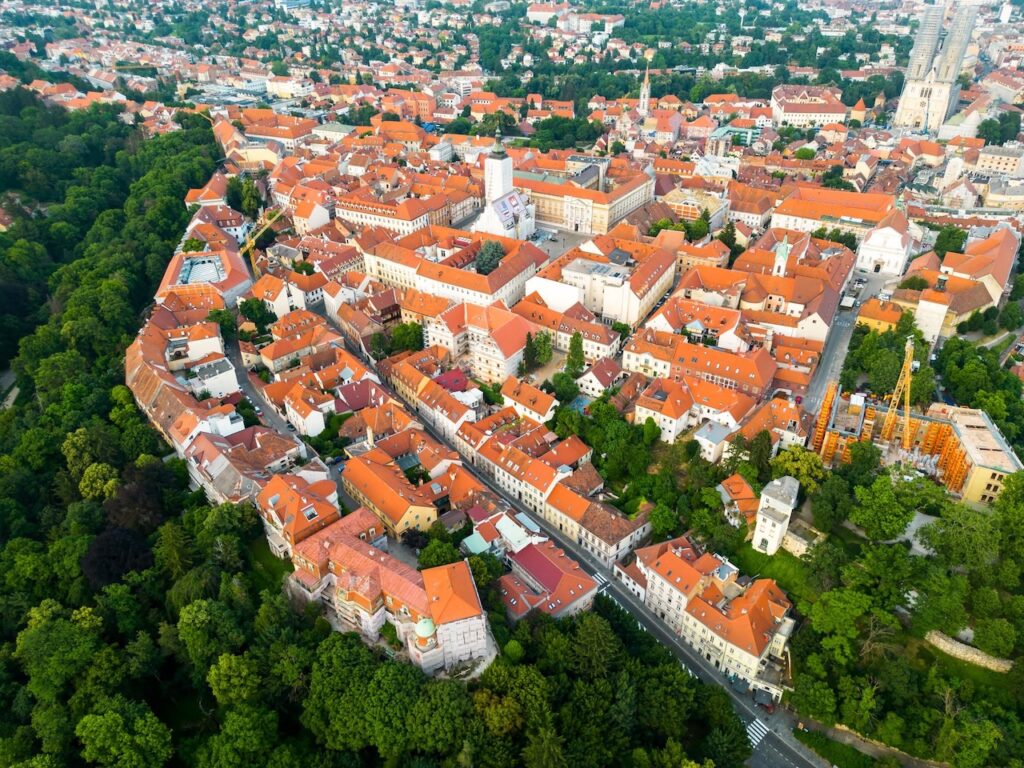
7. Zagreb, Croatia, Best Year-Round Nomad Base
While Split attracts nomads with its Adriatic lifestyle, Zagreb offers a different but equally compelling proposition. In fact, it is a well-connected Central European capital with lower seasonal costs and strong infrastructure. Furthermore, it provides access to the same Croatian Digital Nomad Visa as Split. Furthermore, Zagreb functions year-round and is unaffected by the summer tourist surge that pushes up prices in coastal cities. As a result, it is one of the most affordable EU capitals for nomads from outside Europe.
Monthly budget breakdown: Below is what you can expect to spend per month in Zagreb:
- Accommodation (1-bed apartment): $550–$850/month
- Food and dining: $250–$400/month
- Coworking space: $130–$200/month
- Transport (monthly pass): $30–$50/month
- Total: approximately $900–$1,400/month
Internet: Fast and reliable throughout the city. Moreover, Zagreb has a strong national broadband infrastructure with average speeds of 50–80 Mbps.
Coworking spaces: Zagreb has solid coworking options year-round. Coworker Zagreb lists options including Saltwater, Impact Hub Zagreb, and Nest Coworking, all with reliable connections and regular community events.
Digital nomad visa: Similarly, Zagreb uses the same Croatian Digital Nomad Temporary Residence Permit as Split. Requirements include a minimum monthly income of €2,540, valid for up to 18 months. Moreover, you benefit from full income tax exemption on foreign earnings. Apply through your nearest Croatian consulate or embassy.
Best for: In summary, Zagreb suits nomads who want a year-round EU base without the seasonal price spikes of coastal cities. Zagreb is cooler in winter than Split, but more affordable and more consistent. Search for accommodation on Booking.com Zagreb or Airbnb Zagreb.
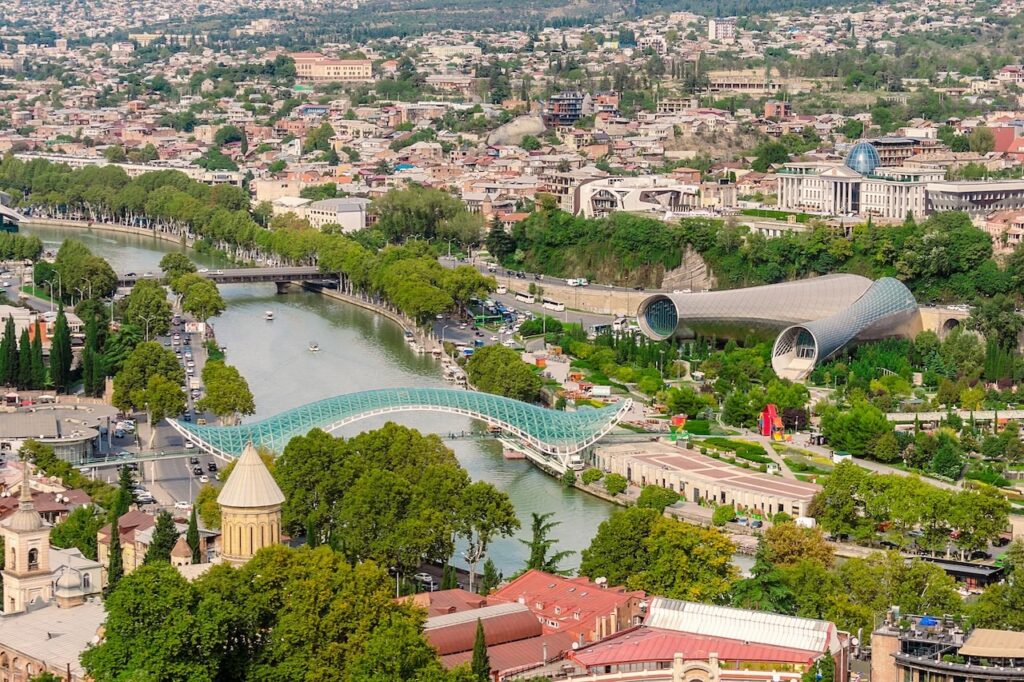
8. Tbilisi, Georgia, Best Visa-Free Base Outside the EU
Tbilisi has quietly become one of the most talked-about budget digital nomad cities in Europe. In 2026, it continues to deliver outstanding value for non-EU remote workers. Furthermore, its low cost of living makes it one of the most accessible cities on this list. Georgia offers visa-free entry for up to one year to citizens of over 95 countries. There is no income requirement and no paperwork. As a result, it is one of the easiest long-stay destinations for remote workers anywhere in the world.
Monthly budget breakdown: Below is what you can expect to spend per month in Tbilisi:
- Accommodation (1-bed apartment): $400–$600/month
- Food and dining: $200–$350/month
- Coworking space: $80–$150/month
- Transport: $30–$50/month
- Total: approximately $800–$1,200/month
Internet: Excellent. In fact, Georgia invested heavily in fiber infrastructure over the past decade. As a result, home internet speeds of 100–200 Mbps are standard. Furthermore, most apartments come with fiber already installed.
Coworking spaces: Tbilisi’s coworking scene has grown significantly. Impact Hub Tbilisi remains the most established option, with reliable internet, meeting rooms, and a steady stream of events. Terminal is another solid choice, particularly if you want a quieter environment.
Nomad visa: Most nationalities can stay visa-free for up to one year. Georgia also has a Remotely From Georgia program for remote workers earning at least $2,000/month from foreign sources.
Best for: Nomads who want extremely low costs, visa-free long stays. Search for accommodation on Booking.com Tbilisi or Airbnb Tbilisi. Stunning scenery, excellent food, khinkali dumplings, and khachapuri cheese bread alone make it worth the trip. Note that Georgia is technically outside Europe geographically, but is widely included in European nomad lists due to its proximity and connectivity.
Cost Update for 2026
Note: Rents in popular neighborhoods have climbed 20–30% since 2023. However, Tbilisi remains significantly cheaper than most European capitals. Nevertheless, it is still one of the best value cities on this list.
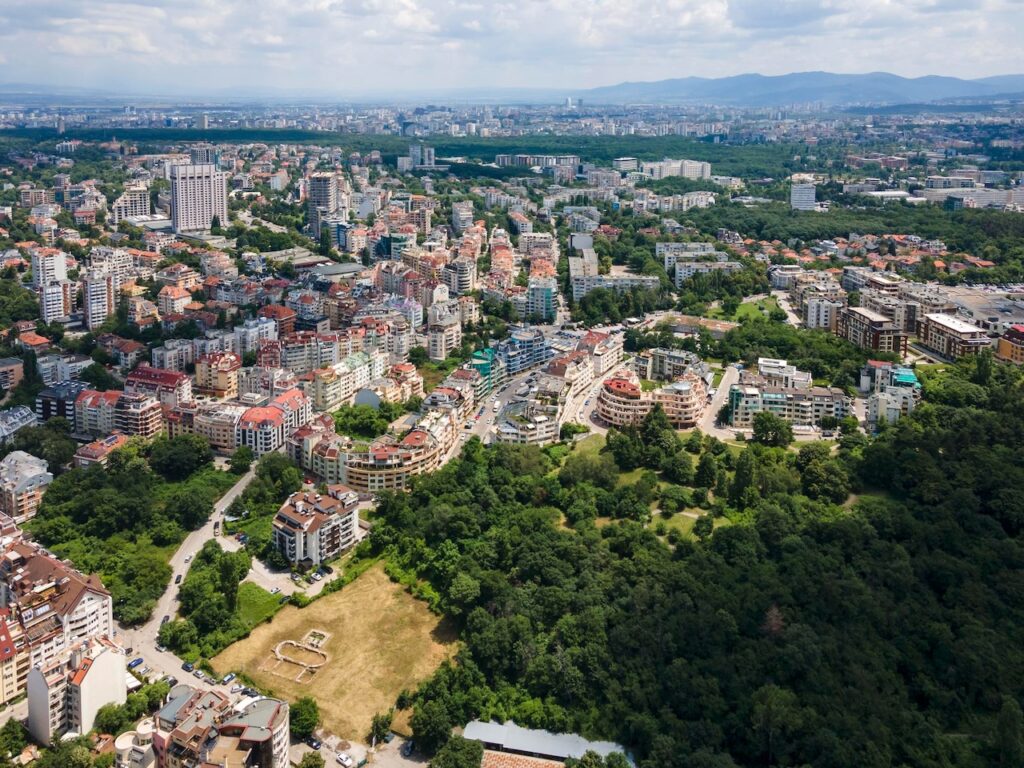
9. Sofia, Bulgaria, Best for EU Amenities at Non-EU Prices
Sofia is an underrated capital with low costs and solid infrastructure. In other words, you get EU amenities without EU prices. Fast internet is widely available, and weekend hikes in Vitosha Mountain are just 30 minutes away. Additionally, as an EU member, Bulgaria offers the stability and freedom of movement that many nomads value. Consequently, the price point is closer to the Balkans than Western Europe.
Monthly budget breakdown: Below is what you can expect to spend per month in Sofia:
- Accommodation (1-bed apartment): $450–$650/month
- Food and dining: $220–$380/month
- Coworking space: $150–$200/month
- Transport (monthly pass): $30–$50/month
- Total: approximately $850–$1,200/month
Internet: Fast and reliable. Internet speeds are fast and reliable, so you won’t have issues with video calls or heavy uploads, whether you’re working from a coworking desk or a cozy café.
Coworking spaces: Sofia has a strong tech and startup ecosystem. Campus X, Betahaus Sofia, and a growing number of independent spaces throughout the city centre. Moreover, the startup and tech scene is active and expanding.
Nomad visa: Bulgaria is an EU member, and EU/EEA citizens can stay indefinitely. Moreover, Bulgaria launched its official Digital Nomad Visa in December 2025. Non-EU citizens can now apply for a one-year permit, renewable once, requiring a minimum monthly income of €2,583. Apply through the Bulgarian Ministry of Interior website. Furthermore, Bulgaria fully joined the Schengen Area in January 2025.
Best for: In summary, Sofia is ideal for nomads who want EU membership, fast internet, and low costs. Search accommodation on Booking.com Sofia or Airbnb Sofia., and weekend escapes to Vitosha Mountain or the Black Sea coast, all within easy reach of Sofia.
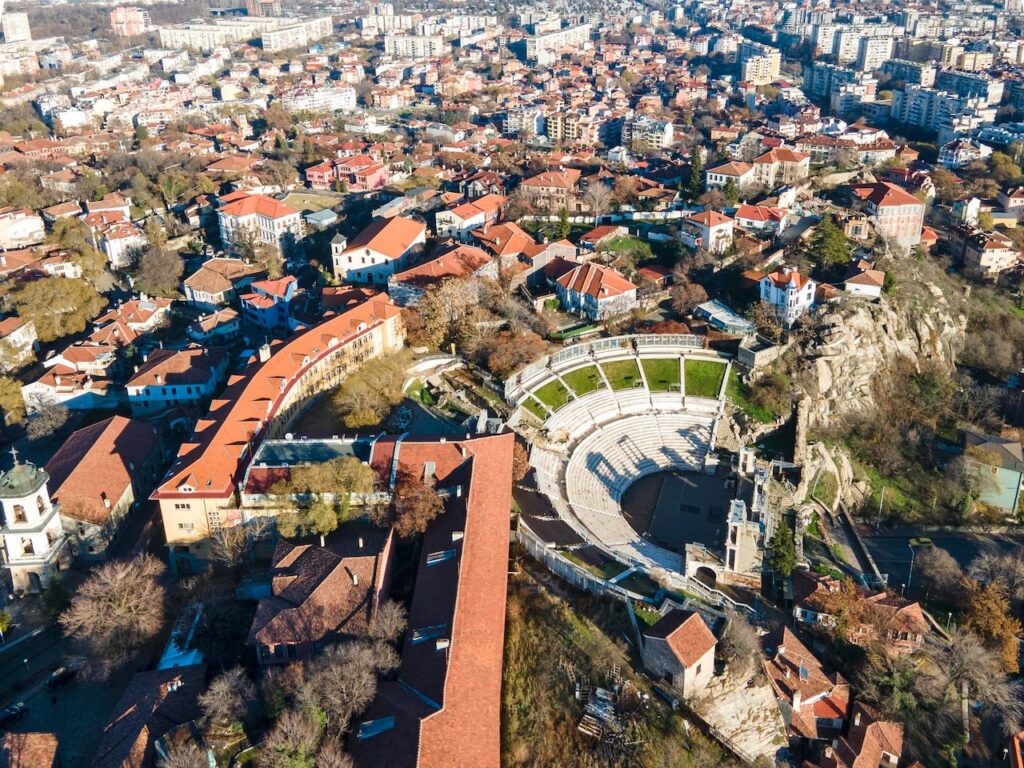
10. Plovdiv, Bulgaria, Best Small City for Deep Work
For digital nomads, Plovdiv offers an ideal mix of calm and inspiration. In fact, the city is compact, walkable, and far less hectic than Sofia. Also, you can rent a modern apartment for a fraction of Western European prices. Furthermore, you can enjoy long café lunches and still stay productive thanks to reliable internet.
As the second-largest city in Bulgaria, Plovdiv has a vibrant culture and stunning historical architecture. Moreover, its charming old town is a fraction of the cost of similar cities in Western Europe.
Monthly budget breakdown: Below is what you can expect to spend per month in Plovdiv:
- Accommodation (1-bed apartment): $250–$450/month
- Food and dining: $180–$320/month
- Coworking space: $100–$180/month
- Transport (monthly pass): $25–$40/month
- Total: approximately $600–$900/month
Internet: Reliable and fast. In addition, Bulgaria has a strong national broadband infrastructure. Furthermore, this extends well beyond Sofia to smaller cities like Plovdiv.
Coworking spaces: Plovdiv’s coworking scene is smaller than Sofia’s. However, it is steadily growing. However, it is growing steadily, with several good options in the city centre, and the café culture is strong with widely available Wi-Fi.
Nomad visa: Same as Sofia, Bulgaria’s Digital Nomad Visa, launched in December 2025, applies to Plovdiv too. Non-EU citizens can stay legally for one year with a minimum monthly income of €2,583. Apply through the Bulgarian Ministry of Interior website.
Best for: In summary, Plovdiv is the best choice for nomads who want the lowest possible monthly budget on this list. Search accommodation on Booking.com Plovdiv or Hostelworld Plovdiv., a slower pace of life, a walkable old town, and easy day trips to the Rhodope Mountains and Thracian archaeological sites.
Quick Comparison: Budget Digital Nomad Cities in Europe at a Glance
| City | Monthly Budget | Internet | Nomad Visa | Best For |
|---|---|---|---|---|
| Budapest | $900–$1,400 | Excellent | Yes (1 year) | Budget capital city |
| Split | $1,000–$1,500 | Fast | Yes (18 months) | Adriatic lifestyle, tax-free |
| Lisbon | $1,400–$2,000 | Very good | Yes (1 year, €180) | Atlantic lifestyle |
| Athens | $1,000–$1,600 | Fast | Yes (2 years) | Mediterranean, 50% tax cut |
| Tallinn | $1,000–$1,500 | Excellent | Yes (1 year) | Tech + EU stability |
| Prague | $1,000–$1,500 | Excellent | Yes (1 year+) | Lowest income requirement EU |
| Zagreb | $900–$1,400 | Fast | Yes (18 months) | Year-round EU base, tax-free |
| Tbilisi | $800–$1,200 | Excellent | Visa-free 1 year | Best visa-free long stay |
| Sofia | $850–$1,200 | Fast | Yes (1 year, Dec 2025) | EU amenities, low cost |
| Plovdiv | $600–$900 | Good | Yes (1 year, Dec 2025) | Lowest budget on list |
Essential Tools for Budget Digital Nomad Cities in Europe
Before you pack your bags and head to your chosen budget digital nomad city, download these tools. They will save you money and make daily life as a nomad in Europe significantly easier.
- First, Nomad List: The ultimate resource for researching cities, comparing the cost of living, internet speeds, weather, and nomad scores for every destination on this list.
- Also, Airbnb: Great for monthly rentals. Use the monthly discount filter to find significant savings on longer stays.
- Booking.com: Compare apartments, guesthouses, and hotels. Many listings offer monthly rates on request.
- Furthermore, Coworker: Find and book coworking spaces in every city on this list. Read reviews and compare day pass vs monthly rates.
- Wise: Fee-free international money transfers and a multi-currency debit card. Essential for managing money across multiple European countries.
- Revolut: A travel-friendly banking app with no foreign transaction fees and instant currency exchange. Widely used by nomads across Europe.
- SafetyWing: Affordable health and travel insurance designed specifically for digital nomads. Covers medical emergencies, trip cancellations, and more across Europe.
- Finally, ExpressVPN: A reliable VPN for secure browsing on public Wi-Fi in cafés and coworking spaces. Essential for protecting your work data on the road.
Visa Guide for Non-European Digital Nomads
This is the section that matters most if you are coming from outside Europe. Visa rules can feel overwhelming at first, but once you understand the basics, they are straightforward to navigate. Here is everything you need to know as a non-European remote worker:
The 90-Day Schengen Rule
If you hold a non-EU passport, the 90-day Schengen limit is the most important rule to understand. As a visitor from the US, Canada, Africa, the Middle East, Asia or Australia, you can stay in the Schengen Zone for a maximum of 90 days out of every 180 days. Therefore, this covers most of Western and Central Europe. Once you use your 90 days, you must leave and wait before returning. However, if you hold a digital nomad visa, this limit does not apply. So, getting a nomad visa is strongly recommended for stays over 90 days.
Digital Nomad Visas: Your Best Option for Longer Stays
A digital nomad visa is your best route for stays beyond 90 days. However, not all visas are created equal. Three countries on this list offer the most accessible options for non-EU citizens:
If you want to stay in Europe for more than 90 days, a digital nomad visa is your best route. However, not all visas are created equal. Three countries on this list offer the most accessible options for non-EU citizens:
- Portugal Digital Nomad Visa: Costs approximately €180, valid for 1 year and renewable. You need to prove a minimum monthly income of around €3,040 (4x the Portuguese minimum wage). Apply at the official Portugal visa portal. Processing takes 4–8 weeks, so apply before you leave home.
- Estonia Digital Nomad Visa: Valid for 1 year, requires proof of employment or self-employment and a minimum monthly income of €3,504. Apply at the Estonian Police and Border Guard website.
- Hungary Digital Nomad Visa: Valid for 1 year with an option to extend. Apply through the Hungarian Consular Service.
Non-Schengen Countries: A Smart Workaround
Georgia is outside the Schengen Zone entirely. This means your 90-day Schengen clock does not tick while you are there. Many nomads from outside Europe use these countries as a base between Schengen stays, or as a long-term home since most nationalities can stay visa-free for up to 90 days with easy renewals.
Georgia: Visa-Free for One Full Year
Finally, Georgia deserves a special mention. It offers visa-free entry for citizens of over 95 countries for up to one full year, with no income requirement and no application process. Simply arrive, and you can stay. In other words, no visa application is needed. For nomads from the US, Canada, UAE, and Australia, this is one of the most accessible long-stay destinations in the world.
Important: Check Your Nationality
Always check the latest visa requirements for your specific nationality before traveling. Visa rules can change. Therefore, check your government’s travel advice website and the destination embassy website before you book anything.
Final Thoughts: Which Budget Digital Nomad City is Right for You?
The best budget digital nomad city for you depends entirely on what you value most. Here is a quick summary to help you decide:
- Want the lowest income requirement for an EU nomad visa? Prague (Czech Republic) — €1,500/month
- Want Adriatic beaches and full income tax exemption? Split or Zagreb (Croatia) — €2,540/month
- Want a capital city vibe at budget prices? Budapest (Hungary) or Athens (Greece)
- Want sunshine, beaches, and an Atlantic lifestyle? Lisbon (Portugal)
- Want tech infrastructure and a digital-first EU culture? Tallinn (Estonia)
- Want a visa-free long stay with no income requirement? Tbilisi (Georgia) — free for 1 year
- Want the lowest overall monthly costs? Plovdiv (Bulgaria) — from $600/month, official nomad visa launched December 2025
- Want EU residency with a 50% income tax discount? Athens (Greece) — 2-year visa
Your First Month Abroad
All ten budget digital nomad cities offer fast internet, growing coworking scenes, and a quality of life that easily justifies the move. As someone coming from outside Europe, your first month will feel like a steep learning curve. However, by month two, you will wonder why you waited so long. Start with a one-month trial in your top choice. You will know quickly whether it suits your rhythm. So, take the leap and give it a month.
Before You Leave Home
Finally, one tip for non-European nomads: always sort your visa, travel insurance, and banking before you leave home. Also, make sure your laptop and equipment are travel-ready. Otherwise, trying to set these up after you arrive is stressful and time-consuming. Use SafetyWing for insurance and Wise for a multi-currency card that works seamlessly across all ten cities on this list.
More guides for digital nomads and budget travelers:
- How to Work Remotely While Traveling: A Beginner’s Guide (coming soon)
- How to Plan Your First International Trip Step by Step
- How Much Does a Trip to Morocco Really Cost in 2026?