
Planning your first international trip is one of the most exciting things you will ever do. But it can also feel overwhelming. Where do you start? What do you need to book first? What if something goes wrong?
Don’t worry, we’ve got you covered. This guide walks you through everything you need to plan your first international trip, step by step, so you can travel with confidence and enjoy every moment.
Step 1: Choose Your Destination
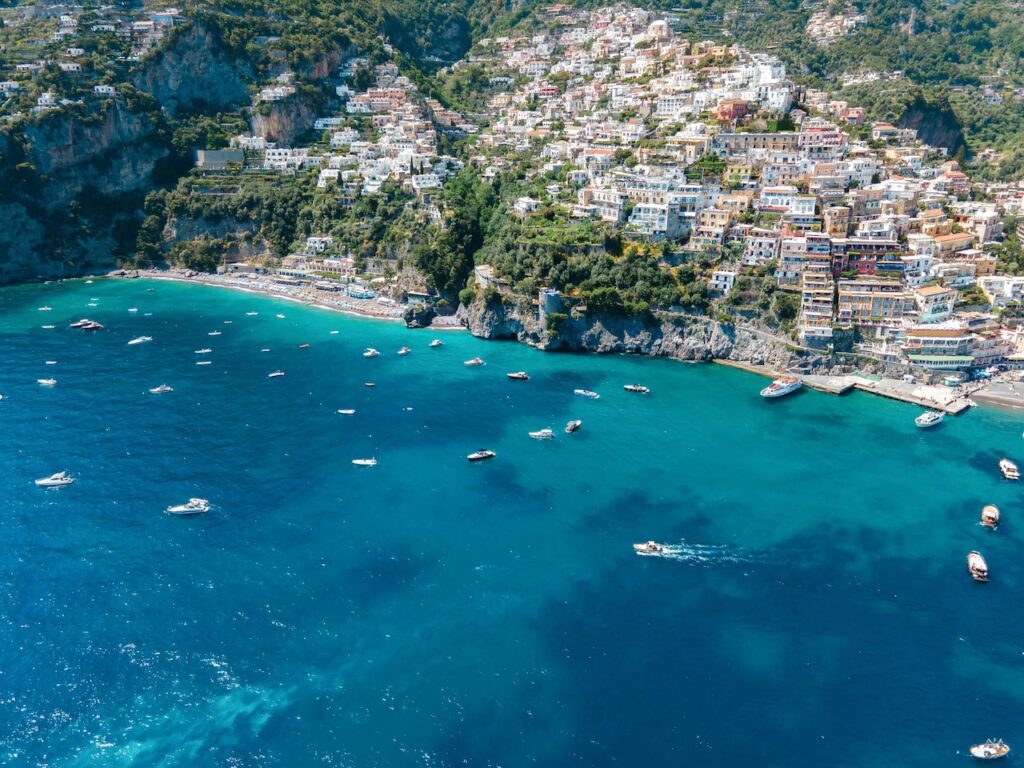
The first step in planning your first international trip is picking where you want to go. This sounds simple, but many first-time travelers get stuck here.
Here are a few questions to help you decide:
- What is your budget? Some destinations are much cheaper than others. Southeast Asia, Morocco, and Portugal are great options for budget travelers.
- How much time do you have? A long weekend suits a nearby city break. Two weeks give you time to explore a whole country.
- What kind of traveler are you? Do you love history and culture? Nature and adventure? Food and local life? Pick a destination that matches what excites you.
- Is it easy for first-timers? Some countries are more beginner-friendly than others. Japan, Portugal, and Jordan are known for being safe, welcoming, and easy to navigate for first-time visitors.
Pro tip: Don’t try to visit too many places on your first trip. Choose one country, maybe two cities, and go deep. You will enjoy it much more than rushing through five destinations in ten days.
Step 2: Check Your Passport and Visa Requirements
Before you book anything, check two important things:
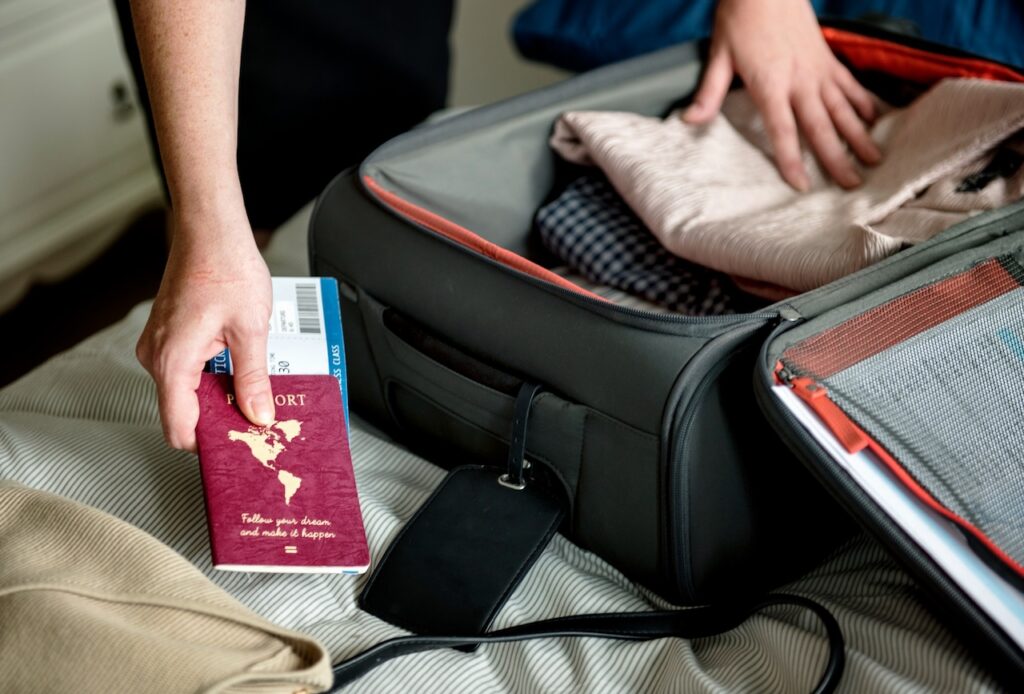
Your passport: Ensure it is valid for at least 6 months beyond your travel dates. Many countries will deny you entry if your passport expires too soon. If your passport is expiring, renew it before you book any flights.
Your visa: Depending on your nationality and destination, you may need a visa to enter the country. Some visas are free and issued on arrival. Others must be applied for weeks or months in advance.
Always check the official government website of your destination country for the most accurate visa information. Do this early, visa processing can take time.

Step 3: Set Your Budget
Money is one of the biggest concerns for first-time international travelers. The good news is that travel does not have to be as expensive as you think.
Here is a simple way to break down your travel budget:
- Flights: Usually the highest cost. Book early and be flexible with dates for the best prices.
- Accommodation: Options range from budget hostels ($10–$20/night) to mid-range hotels ($50–$100/night).
- Daily expenses: Food, transport, and activities. This varies hugely by destination. In Southeast Asia, $30/day is comfortable. In Western Europe, plan for $80–$120/day.
- Travel insurance: Never skip this. A good travel insurance policy costs $30–$80 for a two-week trip and can save you thousands if something goes wrong.
- Emergency fund: Always carry extra money for unexpected costs.
Pro tip: Use a travel-friendly bank card that does not charge foreign transaction fees. Cards like Wise or Revolut are popular with travelers worldwide and save you money on every purchase abroad.
Step 4: Book Your Flights
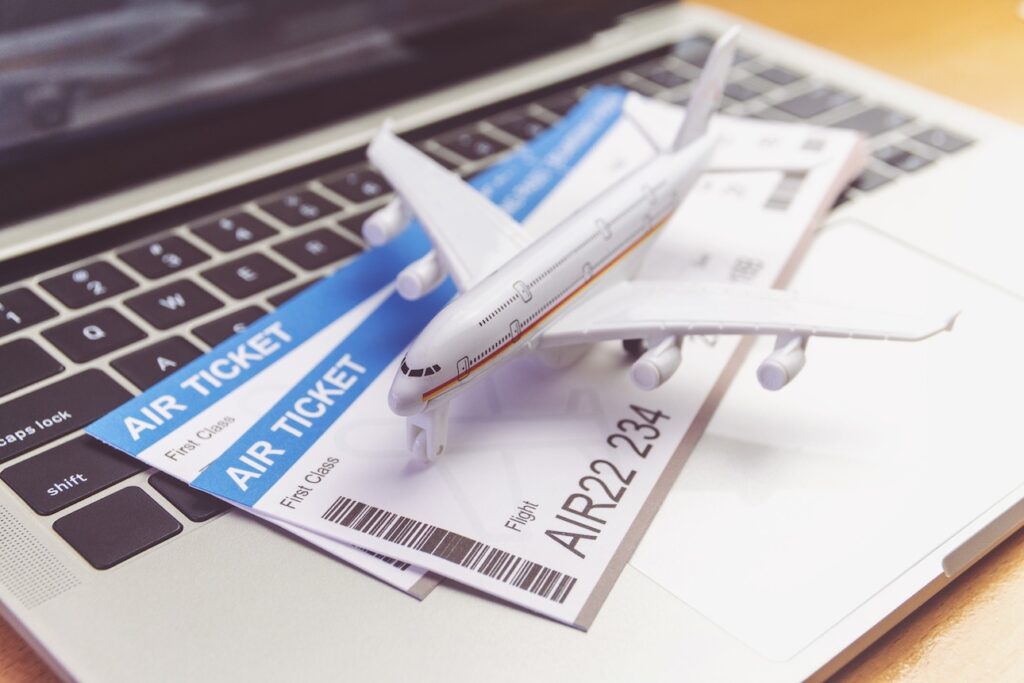
Once you have a destination and a budget, it is time to book your flights. Here are a few tips to get the best price:
- Book early: For international flights, booking 2–3 months in advance usually gives you the best prices.
- Be flexible: Flying mid-week (Tuesday or Wednesday) is often cheaper than weekends.
- Use comparison tools: Google Flights, Skyscanner, and Momondo show you prices across many airlines at once. Set up price alerts so you know when fares drop.
- Consider layovers: Direct flights are more convenient, but connecting flights can be significantly cheaper. Just make sure you have enough time between connections.

Step 5: Sort Your Accommodation
Where you stay shapes your entire travel experience. For your first international trip, here are the most popular options:
- Hotels: Comfortable, reliable, and easy to book. Great if you want privacy and consistency.
- Hostels: Budget-friendly and social. Many hostels offer private rooms as well as dorms. A great option for solo travelers.
- Airbnb: vacation rentals, Good for longer stays or traveling with family. Feels more like living locally.
- Guesthouses: Common in Asia, Africa, and the Middle East. Often family-run, very affordable, and a wonderful way to connect with local culture.
Pro tip: Book your first and last nights before you arrive. You do not need to plan every night in advance, especially on longer trips, but knowing where you will be staying on arrival day reduces stress.
Use Booking.com to compare options. It has a flexible cancellation policy on most listings, which is perfect for first-timers who want flexibility.
Step 6: Get Travel Insurance
This is the step most first-time travelers skip — and the one they regret the most.
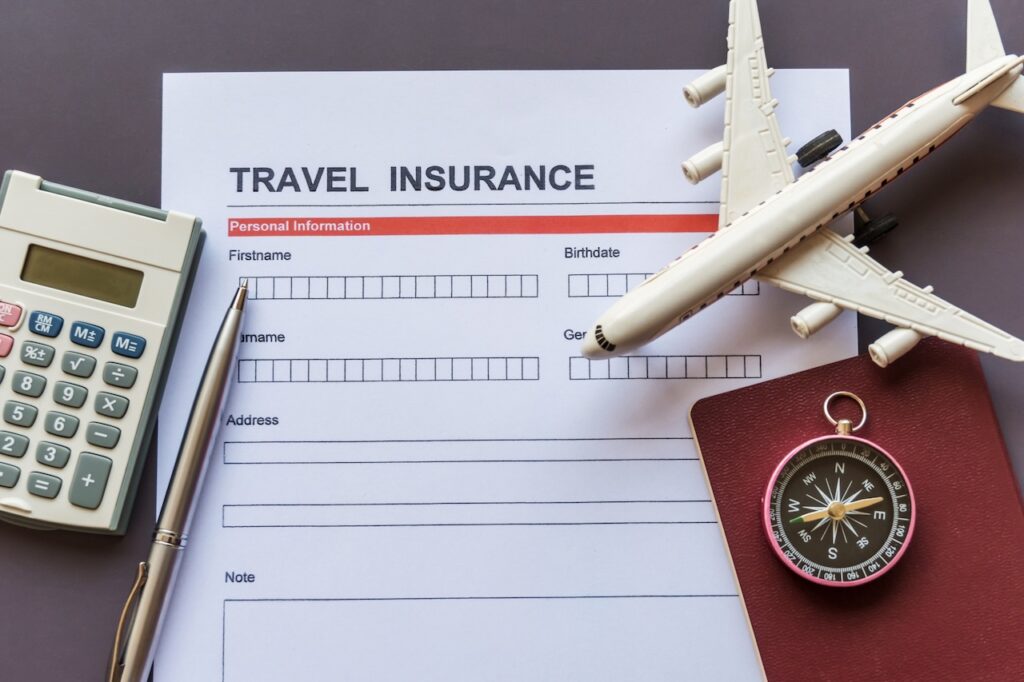
Travel insurance covers you for:
- Medical emergencies abroad (this alone is worth the cost)
- Trip cancellations and delays
- Lost or stolen luggage
- Emergency evacuation
A two-week travel insurance policy typically costs between $30 and $80, depending on your destination and coverage level. Compare it to the thousands you could spend on a medical emergency abroad without coverage, it is one of the smartest things you can spend money on.
We recommend SafetyWing for budget travelers; it is affordable, flexible, and trusted by thousands of travelers worldwide.
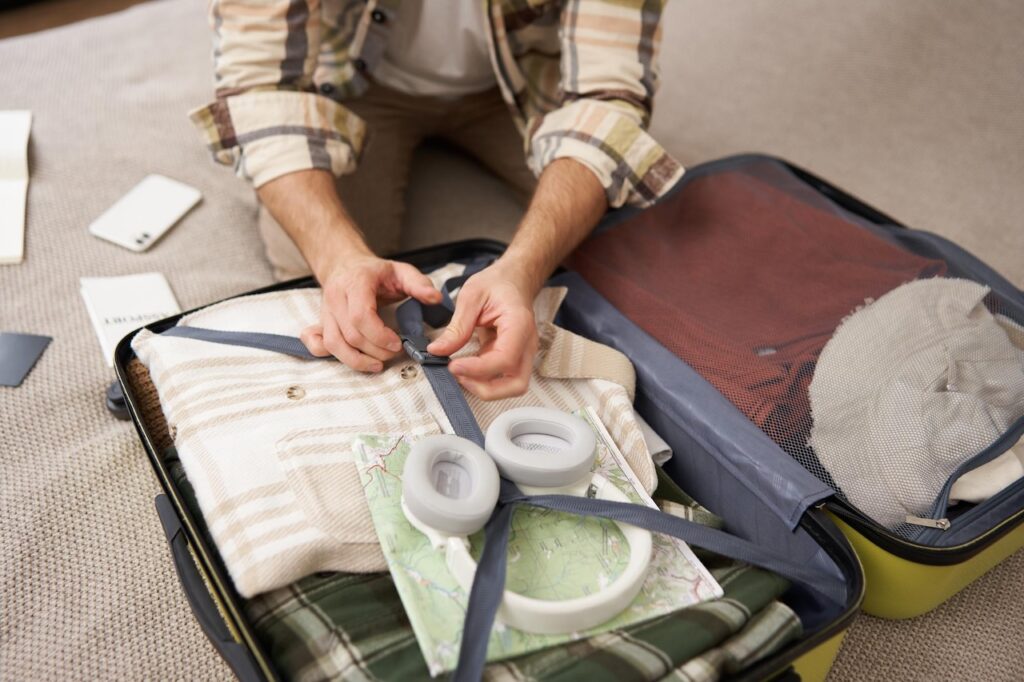
Step 7: Pack Smart
Overpacking is the number one mistake first-time international travelers make. Here is the golden rule: pack less than you think you need.
A good packing checklist for most international trips includes:
- Documents: Passport, visa (if applicable), travel insurance documents, hotel confirmations, emergency contacts
- Money: Local currency for arrival, travel-friendly bank card, some backup cash in USD or Euros
- Clothes: Pack for the climate, not for every possible occasion. 5–7 days of clothes is enough for most trips — you can always do laundry
- Electronics: Phone, charger, universal power adapter, portable power bank
- Health: Any prescription medication, basic first aid kit, hand sanitizer, sunscreen
- Comfort: Neck pillow and eye mask for long flights
Pro tip: Lay everything out on your bed, then put half of it back. You will thank yourself when you are carrying your bag through a busy airport.
Step 8: Learn a Few Words of the Local Language
You do not need to be fluent. But learning five to ten words in the local language goes a long way. Hello, thank you, please, excuse me, and where is the bathroom? These small efforts show respect, and locals genuinely appreciate them.
Download Google Translate before you leave. It works offline and even translates text through your phone camera, incredibly useful for reading menus or signs in a foreign language.

Step 9: Prepare for Your Arrival
The first few hours in a new country can be confusing. Make it easier with a little preparation:
- Know how to get from the airport to your hotel. Is there a metro? A bus? Do you need local currency for the taxi? Research this before you land.
- Download offline maps. Google Maps allows you to download city maps for offline use. Do this before your flight so you are never lost without data.
- Save emergency contacts. Save the number of your country’s embassy, your travel insurance emergency line, and your accommodation in your phone.
- Notify your bank. Tell your bank you are traveling so they do not freeze your card for suspicious activity abroad.
Step 10: Enjoy the Experience
This is the most important step of all.
Your first international trip will not be perfect. Things will go wrong: a delayed flight, a wrong turn, a restaurant that is closed. That is part of the adventure. The best travel stories always come from the unexpected moments.
Be curious. Talk to locals. Try food you have never heard of. Take the slower road sometimes. That is the difference between being a tourist and being a visitor.
At Magy Tours Blog, we believe travel is not just about seeing new places, it is about understanding them.
Ready to Start Planning?
Now that you know the steps, it is time to take action. Start with Step 1, pick your destination for your first international trip, and the rest will follow.
Looking for more travel planning help? Check out these guides:
- 📋 How Much Does a Trip to Morocco Really Cost in 2026
- ✈️ How to Find Cheap Flights: What Actually Works (coming soon)
- 🛡️ Best Travel Insurance for First-Time Travelers (coming soon)